Managing Stress to Reduce Anger: A Pakistani Perspective
In Pakistan, life often moves fast, and daily stress has become a common experience for many. Whether it is job pressures, financial issues, family responsibilities, or social expectations, stress is something most Pakistanis face regularly. Unfortunately, when stress is left unmanaged, it often leads to another common issue — uncontrolled anger.
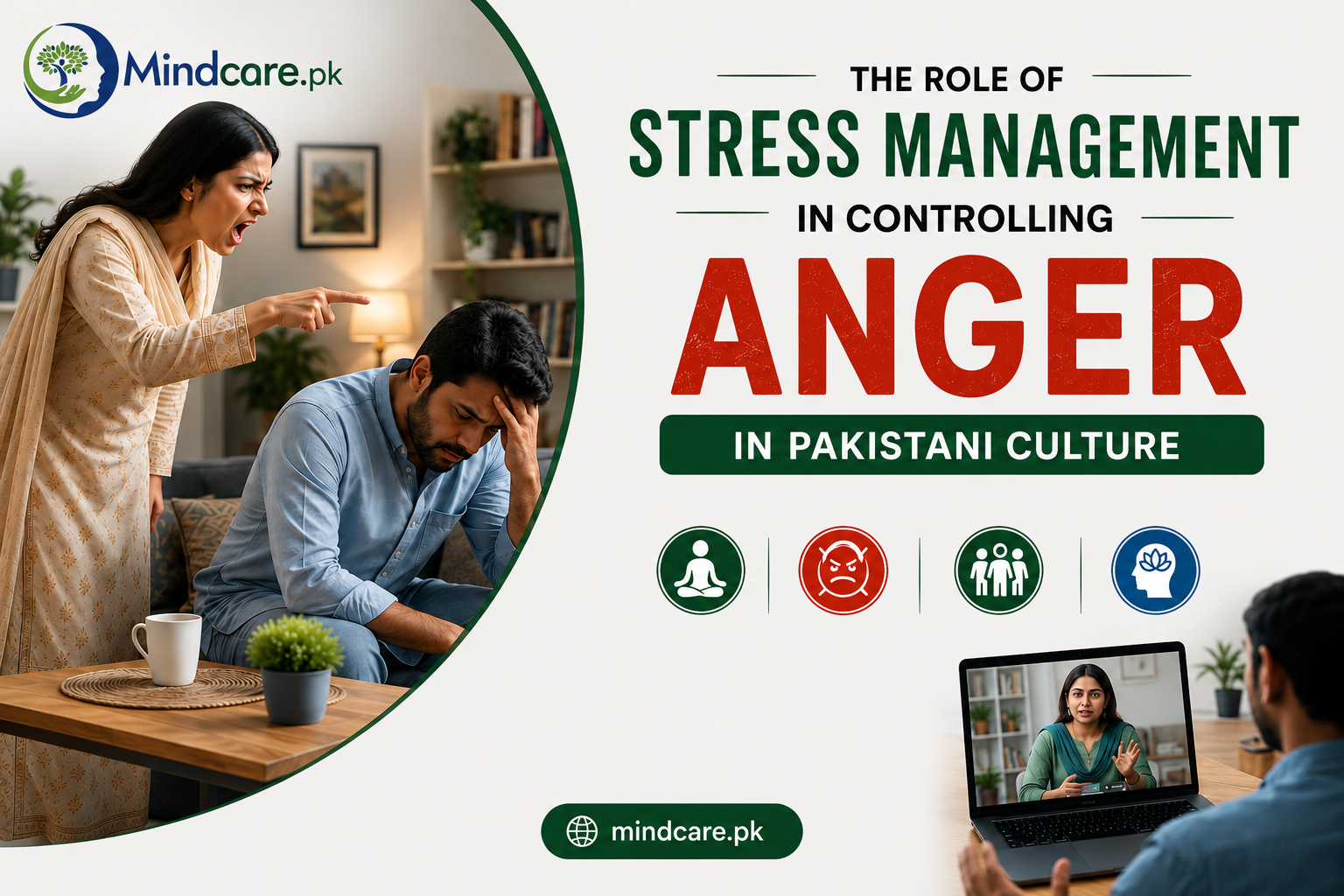
Anger, if not managed properly, can affect relationships, workplace performance, mental health, and even physical well-being. Learning how to manage stress can play a huge role in controlling anger, especially in a culture like Pakistan where emotions are deeply tied to family life, honor, and social expectations. In this blog, we will explore how stress management can help control anger in Pakistani society and how services like MindCare.pk, a trusted online counseling platform in Pakistan, are helping people find effective solutions.
Understanding the Link Between Stress and Anger
Stress and anger are closely connected. When we are stressed, our body activates its "fight or flight" response, releasing hormones such as cortisol and adrenaline. This response, if triggered too often, can make us more irritable, impatient, and emotionally reactive.
Anger is often a symptom of unmanaged stress. Small things — like a delay in traffic, a misplaced item, or an argument — can suddenly feel overwhelming. In Pakistani society, where family bonds are strong and expectations from parents, spouses, and children are high, unmanaged stress can result in emotional outbursts that harm loved ones. Anger often shows up in family life; we've explored this in our post on dealing with relationship stress in Pakistani families.
Common Causes of Stress in Pakistan
Pakistan is a country full of vibrant culture and rich traditions, but it also comes with several stress-inducing factors. Some common stressors include:
- Financial stress due to inflation and unemployment.
- Workplace pressure, especially in high-demand jobs.
- Family expectations regarding marriage, career, and lifestyle.
- Social pressures to maintain a certain image in the community.
- Traffic and daily commuting in busy cities like Karachi, Lahore, and Islamabad.
- Political and social uncertainty that adds to emotional strain.
All of these factors contribute to a build-up of stress, which can eventually explode as anger.
How Anger Affects Life in Pakistani Culture
In many Pakistani households, anger is often seen as a normal reaction to stress. However, if not addressed, it can have serious consequences:
- Damaged family relationships — Constant anger can lead to conflicts between spouses, parents, and children.
- Poor mental health — Anger often coexists with anxiety and depression.
- Health problems — Chronic anger can raise blood pressure, disrupt sleep, and lead to heart issues.
- Social withdrawal — People struggling with anger may isolate themselves due to guilt or shame.
- Workplace issues — Anger can affect professionalism and lead to conflicts at work.
These issues make it very important for Pakistanis to learn stress management techniques that can also help in reducing anger.
Effective Stress Management Techniques for Controlling Anger
Managing stress is not just about relaxing — it involves learning healthier ways to respond to life's challenges. Here are some techniques that can help reduce stress and, in turn, control anger:
1. Deep Breathing and Meditation
Deep breathing exercises calm the nervous system and reduce the intensity of anger. Just 5-10 minutes of mindful breathing daily can improve emotional balance. (Try our guide on diaphragmatic breathing for a simple step-by-step technique.)
2. Physical Activity
Exercise, walking, or yoga are great ways to release built-up tension. It also increases endorphins, the "feel-good" hormones.
3. Time Management
Planning your day helps reduce the feeling of being overwhelmed, which lowers stress and prevents sudden anger outbursts.
4. Talking It Out
Sharing feelings with a trusted family member, friend, or a professional counselor can help release emotional pressure.
5. Sleep Hygiene
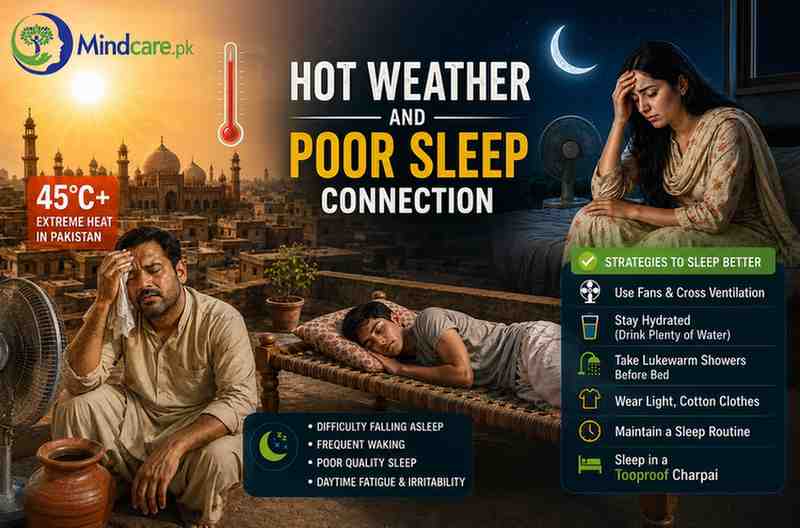
Lack of sleep increases irritability. Ensuring 7-8 hours of good sleep helps regulate emotions.
6. Healthy Diet
Eating balanced meals stabilizes mood and prevents energy dips that can trigger stress and anger.
7. Seeking Professional Help
Sometimes, self-help techniques are not enough. Speaking with a mental health expert can provide personalized strategies for stress and anger management.
The Role of Culture in Managing Stress and Anger
Pakistani culture places great value on family, respect, and community. This can be a strength when it comes to managing stress. Family gatherings, religious practices, and cultural traditions can provide emotional support and a sense of belonging. However, there is also a challenge — mental health is still a taboo topic in many households. (This taboo is what our post on breaking the mental health stigma in Pakistan addresses directly.) Many people hesitate to talk about stress or anger openly, fearing judgment.
This is where breaking the stigma around mental health becomes essential. By encouraging open discussions about stress, anger, and emotional health, families and communities can create an environment where seeking help is seen as strength, not weakness.
How MindCare.pk Can Help
For those struggling with stress and anger, professional guidance can make a big difference. This is where MindCare.pk plays a crucial role. As Pakistan's leading online counseling platform, MindCare.pk provides accessible mental health support tailored to Pakistani culture and needs.
Why Choose MindCare.pk?
- Certified Counselors — Access experienced mental health professionals from the comfort of your home.
- Online Sessions — Sessions can be conducted via video, audio, or chat, ensuring privacy and ease.
- Affordable Rates — Mental health services designed to be pocket-friendly.
- Culturally Sensitive — Counselors understand the unique challenges of living in Pakistan.
Whether you are dealing with everyday stress, family issues, workplace pressures, or unmanaged anger, MindCare.pk offers guidance to help you improve your emotional well-being.
Real-Life Impact of Stress Management
Many Pakistanis who have adopted stress management techniques have reported major improvements in their relationships, work life, and personal happiness. Simple changes such as taking a walk in the morning, spending quality time with family, or attending counseling sessions can bring significant emotional balance.
By learning to manage stress, individuals can reduce their anger, respond to challenges calmly, and create a peaceful environment at home and in the workplace.
Conclusion
Stress and anger are closely related, and in Pakistani society, learning how to manage them is essential for a happy and healthy life. From deep breathing and physical exercise to seeking professional help through platforms like MindCare.pk, there are many ways to take control of your emotional well-being.
The key is to acknowledge that stress and anger are natural, but they can be managed. Instead of letting them affect your personal or professional life, take small steps every day to bring balance. With the support of trusted platforms like MindCare.pk, you don't have to face these challenges alone.
Remember, taking care of your mental health is not a weakness — it is a sign of strength and self-awareness. Start today by exploring the resources at MindCare.pk and take the first step toward a calmer, more peaceful life. You can speak with an online therapist in Pakistan from anywhere, or book a confidential session whenever you're ready.