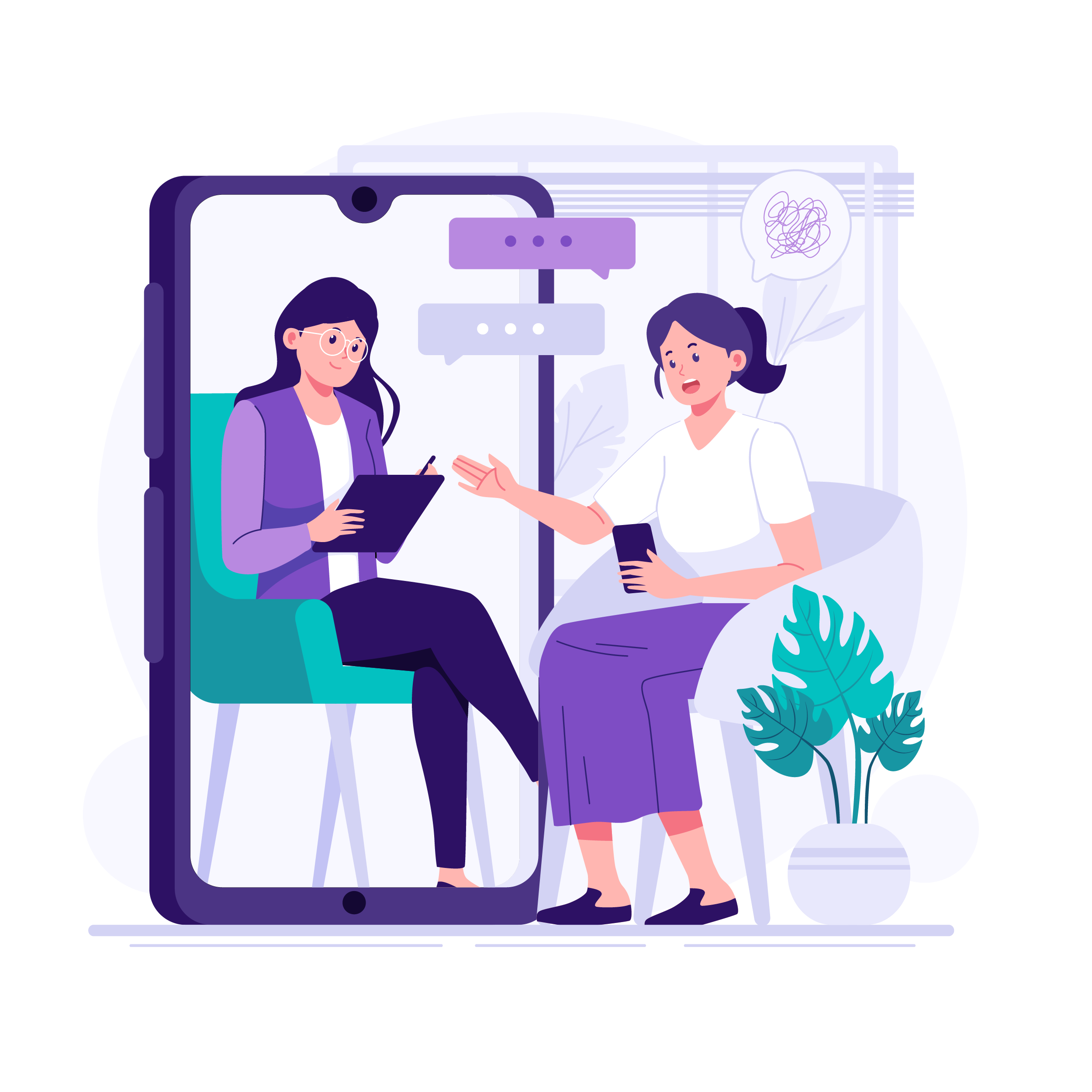
MindCare Pakistan offers convenient and affordable online therapy, connecting you with licensed therapists from the comfort of your own home. Find support for anxiety, depression, relationships, and more.

Connect with a qualified psychologist online from the convenience of your home in Pakistan.

Book Appointment

Address

Islamabad, Pakistan

Online Stress Management Therapy

When pressure keeps building and you rarely feel able to switch off, stress can begin affecting your mood, sleep, relationships, concentration, and everyday well-being. Therapy can help you understand what is driving the pressure and develop healthier ways to cope with it.

Connect online with a MindCare psychologist and get support from a private, convenient setting, whether you live in Pakistan or abroad.

Book an Appointment
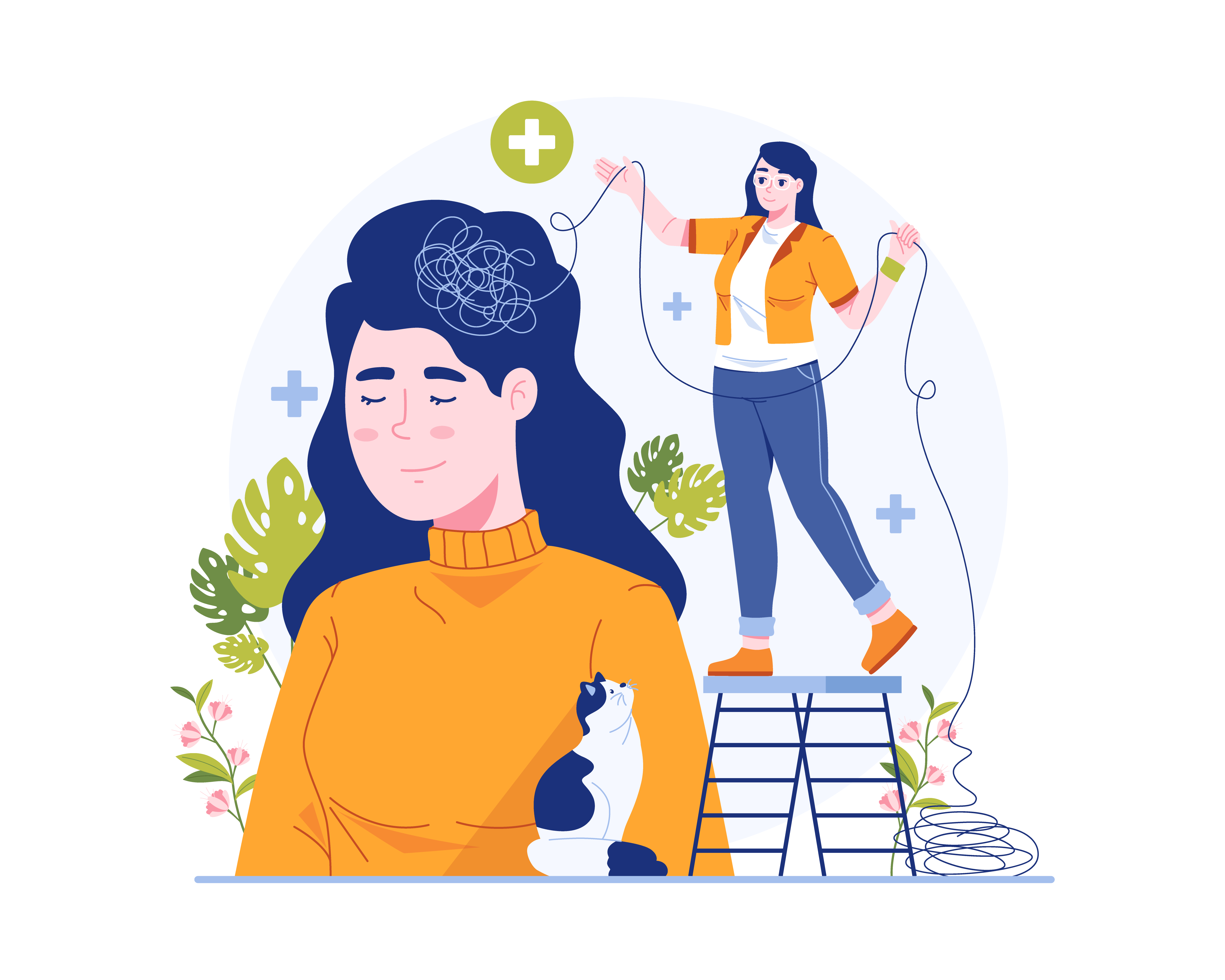
Online stress management therapy session with a psychologist
Understanding persistent stress and emotional pressure

Understanding Stress

When Everyday Pressure Becomes Hard to Manage

Stress is a normal response to demands and challenges, and short periods of stress are part of everyday life. But when pressure continues for too long, comes from several directions at once, or feels greater than your ability to cope, it can become exhausting.

You may feel constantly tense or rushed, find it difficult to concentrate, become more irritable with people around you, or struggle to rest even when you have the opportunity. Work pressure, financial concerns, studies, caregiving, family expectations, relationship difficulties, major life changes, or uncertainty can all contribute.

Sometimes the source of stress is obvious; at other times, people simply notice that they no longer feel like themselves. Therapy offers space to understand the pressures affecting you, recognise patterns that may be adding to the strain, and work toward a more sustainable way of coping.

Recognising Stress

How Ongoing Stress Can Show Up

Stress can affect the mind and body in different ways. You may notice emotional changes, physical tension, changes in behaviour, or difficulty keeping up with everyday demands.

Mental and emotional signs of stress

Mental & Emotional Pressure

Feeling overwhelmed, irritable, worried, mentally exhausted, unable to concentrate, or as though your mind is always occupied with the next problem.

Physical effects of ongoing stress

Physical Tension & Fatigue

Muscle tension, headaches, tiredness, difficulty relaxing, disrupted sleep, or feeling physically drained even when you have not done unusually demanding activity.

Stress affecting daily life and relationships

Changes in Daily Life

Procrastinating, withdrawing, working without proper breaks, becoming short-tempered with others, losing motivation, or finding normal responsibilities increasingly difficult.

  • Feeling under pressure most of the time
  • Difficulty switching off after work or responsibilities
  • Reduced patience or increased conflict with others
  • Sleep or concentration becoming more difficult
  • Feeling emotionally or physically exhausted
  • Struggling to balance work, family, study, or personal needs

How Therapy Can Help

Finding Healthier Ways to Respond to Stress

Stress is not always caused by one problem that can simply be removed. Often, it involves a combination of external pressures and the ways we respond to them: taking on too much, struggling to set boundaries, expecting ourselves to cope with everything, postponing rest, or remaining mentally “switched on” long after a stressful situation has passed.

Therapy can help you identify the pressures that are most important, understand how your current coping patterns affect you, and make realistic changes. The goal is not to eliminate every source of stress, but to help you respond in ways that protect your well-being and make daily demands feel more manageable.

Therapy can help you:

Understand your stress patterns
Identify major stressors, early warning signs, and habits or expectations that may be adding to the pressure you feel.

Develop practical ways to cope
Work on strategies for managing difficult thoughts and emotions, setting boundaries, solving problems, communicating needs, and creating more sustainable routines.

Build resilience without ignoring your limits
Learn to recognise what you can change, what may need to be accepted or approached differently, and how to recover more effectively during demanding periods.

Depending on your needs and your psychologist's assessment, therapy may draw on approaches such as Cognitive Behavioural Therapy (CBT), problem-solving strategies, relaxation or mindfulness techniques, and other appropriate psychological approaches.

Feeling overwhelmed by ongoing stress? You can speak with a psychologist online at a time that works for you.

Book an Appointment

Your First Session

What to Expect from Online Stress Therapy

Your first session is an opportunity to talk about what has been placing you under pressure and how it is affecting your life. Your psychologist may ask about work or study demands, relationships, family responsibilities, sleep, physical well-being, recent changes, and the ways you currently cope when stress builds.

You do not need to wait until you feel completely burned out before seeking support. Together, you can identify priorities and realistic goals for therapy. This might involve reducing immediate overwhelm, changing patterns that contribute to chronic stress, improving boundaries or coping skills, or finding a healthier balance between responsibilities and recovery.

Accessible Wherever You Are

Online Stress Support That Fits Around Real Life

When your schedule is already full, travelling to appointments can feel like one more responsibility. Online therapy makes psychological support easier to access from a private setting and can fit more naturally around work, study, family, or other commitments.

For Pakistanis living abroad, stress may also involve adjustment to a different culture, distance from family, demanding work or study environments, financial responsibilities, or balancing personal needs with family expectations. Being able to discuss these pressures with awareness of the relevant cultural and family context can make therapy more meaningful.

  • Attend sessions without regular travel to a clinic
  • Access support whether you live in Pakistan or abroad
  • Discuss work, family, cultural, and personal pressures in context
Person accessing online stress therapy from home

FAQ & Answers

Common Questions About Stress Management Therapy

Consider seeking support if stress feels persistent, is difficult to switch off from, or is affecting your sleep, mood, concentration, relationships, work, studies, or physical well-being. You do not need to wait until you reach a crisis or burnout before speaking with a psychologist.

Therapy can help you identify important sources of stress, understand how you respond when pressure builds, and develop practical ways to cope. Depending on your situation, sessions may focus on thoughts and emotions, boundaries, problem-solving, communication, routines, relaxation, or other patterns affecting your well-being.

No. Stress can be related to work, studies, finances, caregiving, family responsibilities, relationships, health concerns, major life changes, relocation, or several pressures happening at the same time. Therapy focuses on how stress is affecting you and what support may be most useful.

There is no fixed number that is right for everyone. The length of therapy depends on the pressures you are facing, how long they have been affecting you, your goals, and the approach used. You and your psychologist can review what is helping and discuss the appropriate duration as therapy progresses.

Online sessions can make support accessible to Pakistanis living in different locations, subject to psychologist availability and any professional requirements that apply where you live. This can be particularly useful when you want support that can consider relevant Pakistani family and cultural context.