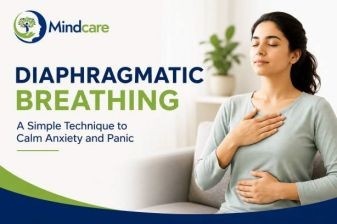
Diaphragmatic Breathing: A Simple Technique to Calm Anxiety and Panic
When people feel anxious, overwhelmed, or close to panic, one of the first things that changes is their breathing. It often becomes fast, shallow, and focused in the chest rather than slow and deep. This can make the body feel even more alarmed, creating
a cycle where anxiety and breathing problems feed into each other.
One of the simplest and most effective ways to interrupt this cycle is diaphragmatic breathing — also called belly breathing. It is a natural breathing technique that helps the body calm down, improves oxygen flow, and
can be especially useful during periods of stress, anxiety, or the early signs of a panic attack.
What Is Diaphragmatic Breathing?
Diaphragmatic breathing means breathing in a way that uses the diaphragm, the large muscle located between the chest and the abdomen. Instead of lifting the chest and shoulders when you inhale, you allow the belly to rise as the diaphragm
moves downward and the lungs expand more fully.
This is actually the way babies breathe naturally. If you watch a baby or even a sleeping pet, you’ll notice that their belly rises and falls with each breath, while the chest stays relatively still. As adults, stress, poor posture, tight clothing, and
anxiety can gradually shift our breathing upward into the chest.
Why Breathing Changes During Anxiety
When you feel anxious, your body enters a fight-or-flight state. This activates the stress response, which often causes breathing to become:
- Faster
- Shallower
- More chest-focused
- Irregular or erratic
This kind of breathing can make you feel lightheaded, tight in the chest, restless, or even more panicked. In other words, anxious thoughts can disrupt breathing, and disrupted breathing can make anxiety worse. If these symptoms escalate, read our guide
on what an anxiety attack is — signs, causes, and how to find relief.
That is why learning to control your breathing is often one of the first steps in calming the nervous system.
Why Diaphragmatic Breathing Helps
Your brain uses a large amount of the oxygen your body takes in, so healthy breathing is essential for both physical and emotional regulation. Diaphragmatic breathing helps by:
1. Calming the Body’s Stress Response
Slow, deep breathing signals safety to the nervous system and can reduce the intensity of anxious or panicky feelings.
2. Improving Oxygen Exchange
When you breathe deeply into the belly, the diaphragm moves more efficiently and the lungs expand more fully.
3. Reducing Chest Tightness and Over-Breathing
People with anxiety often unknowingly over-breathe or breathe from the upper chest. Belly breathing helps restore a more natural pattern.
4. Creating a Sense of Control
During anxiety or panic, people often feel as if their body is out of control. Focusing on the breath gives you a practical skill to regain stability.
5. Helping Interrupt a Panic Attack
In many cases, diaphragmatic breathing is one of the earliest and most useful techniques for slowing the escalation of panic symptoms. It's also a good skill to have when helping a friend during a panic attack.
How to Do Diaphragmatic Breathing
If you’re new to this technique, it’s often easiest to start lying down.
Step 1: Get Into a Comfortable Position
Lie on your back with your knees bent if that feels comfortable. Relax your shoulders and jaw.
Step 2: Place a Hand or Light Object on Your Belly
You can place one hand on your abdomen or even a small book on your stomach. This helps you notice the movement more clearly.
Step 3: Breathe In Through Your Nose for 4 Seconds
As you inhale, let your belly rise outward. Try to keep your chest as still as possible.
Step 4: Pause Briefly
Hold the breath gently for about 1 second. Do not strain.
Step 5: Breathe Out Slowly for 6–8 Seconds
As you exhale, let your belly fall inward. Make the exhale slow and relaxed.
Step 6: Repeat
Continue for 5 to 10 breaths, or for a few minutes at a time.
A simple pattern to practice is:
- Inhale for 4 seconds
- Pause for 1 second
- Exhale for 8 seconds
The longer exhale is especially helpful because it encourages the body to shift into a calmer state.
A Simple Practice Tip: Use a Book on Your Belly
One of the easiest ways to learn diaphragmatic breathing is to place a light book on your stomach while lying down.
- When you breathe in, the book should rise
- When you breathe out, the book should fall
This gives you instant feedback and helps you see whether you are breathing from the belly rather than the chest. For many people, this is easier than simply trying to “feel” the breath.
When Should You Practice It?
The most important thing to understand is this: do not wait until you are already panicking to learn the technique.
Diaphragmatic breathing works best when it has been practiced regularly. Think of it as a skill your body needs to rehearse.
Try practicing it:
- 2–3 times a day
- For 3–5 minutes at a time
- During calm moments, not only during stress
- Before a stressful event such as a presentation, difficult conversation, travel, or social situation
With repetition, it becomes easier to use when anxiety appears.
When to Use It in Real Life
This breathing exercise can be helpful when you notice:
- The first signs of a panic attack
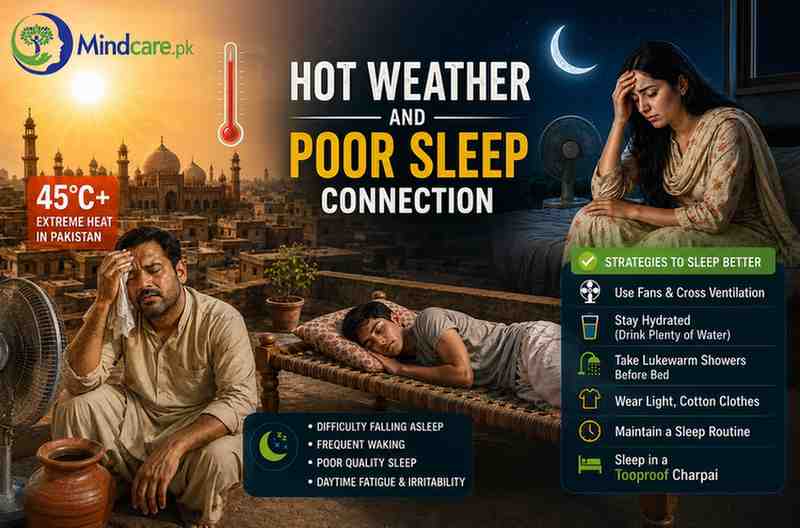
- A racing mind before sleep — especially during Pakistan's hot summer nights
- Stress before a meeting, exam, or performance
- Feeling emotionally overwhelmed
- Tension building in the chest or shoulders
- Restlessness, irritability, or a sense of “I can’t calm down”
Even a few slow belly breaths can help create a pause between the anxious feeling and your reaction to it.
Common Mistakes to Avoid
When starting diaphragmatic breathing, people often make a few common mistakes:
1. Forcing the Breath
The breath should be slow and gentle, not exaggerated to the point of discomfort.
2. Lifting the Chest Too Much
The goal is not perfectly still breathing, but try to let the belly do most of the movement.
3. Practicing Only When Distressed
Like any coping skill, breathing becomes more effective when practiced regularly in advance.
4. Expecting Instant Perfection
This is a skill. It may feel awkward at first, and that’s completely normal.
Final Thoughts
When anxious thoughts, stress, or panic begin to take over, your breathing is one of the quickest ways to influence what your body does next. Diaphragmatic breathing teaches you to slow down, breathe more deeply, and reconnect with a calmer rhythm.
It may look simple, but practiced consistently, it can become one of the most effective tools in your mental health toolkit. If anxiety or panic is affecting your daily life, you can speak with an online psychologist in Pakistan — book a confidential session whenever you're ready.