MindCare Pakistan offers convenient and affordable online therapy, connecting you with licensed therapists from the comfort of your own home. Find support for anxiety, depression, relationships, and more.

Connect with a qualified psychologist online from the convenience of your home in Pakistan.

Book Appointment

Address

Islamabad, Pakistan

Online Anxiety Therapy

Anxiety can make it difficult to switch off your thoughts, feel at ease, or handle situations that once felt manageable. If worry, fear, panic, or overthinking is affecting your daily life, professional support can help you understand what is happening and develop healthier ways to respond.

MindCare makes it easier to access psychological support online, whether you are living in Pakistan or abroad.

Book an Appointment
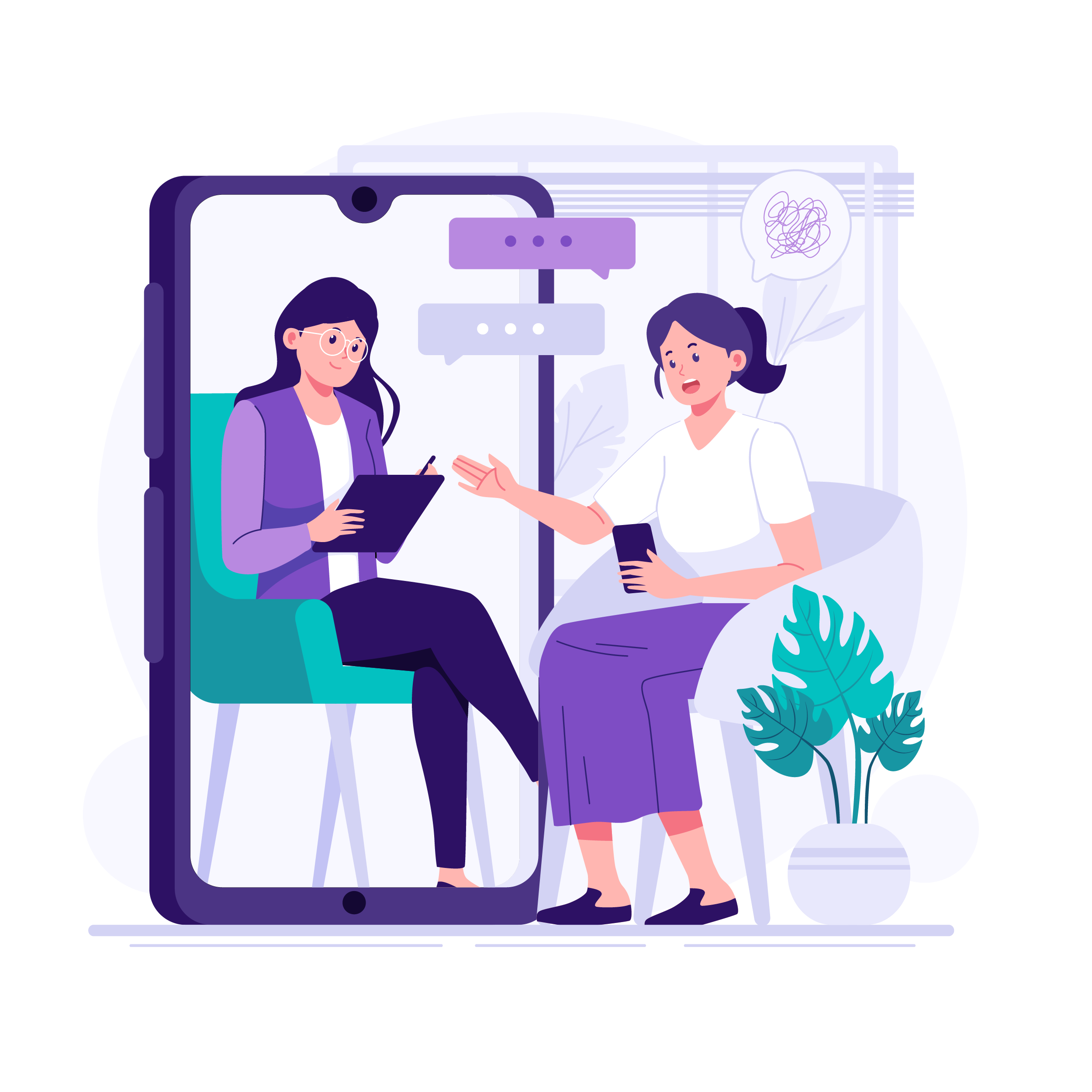
Online anxiety therapy session with a psychologist
Understanding anxiety and seeking psychological support

Understanding Anxiety

When Anxiety Starts Affecting Everyday Life

Feeling anxious occasionally is a normal response to stress, uncertainty, or difficult situations. Anxiety becomes more concerning when worry or fear feels persistent, difficult to control, or begins interfering with work, studies, relationships, sleep, or everyday activities.

Anxiety can affect both the mind and body. You may find yourself repeatedly thinking about what could go wrong, struggling to relax, avoiding situations that make you uncomfortable, or experiencing physical symptoms such as a racing heartbeat, tension, restlessness, sweating, dizziness, or stomach discomfort.

You do not need to identify exactly what type of anxiety you have before seeking support. A psychologist can help you explore your experiences, understand patterns that may be contributing to your anxiety, and discuss an approach suited to your individual needs.

Recognising Anxiety

What Can Anxiety Feel Like?

Anxiety can show up differently from person to person. Some common experiences include:

Persistent worry and overthinking

Worry & Overthinking

Persistent worry about work, health, family, relationships, finances, or what might go wrong—even when you want your mind to switch off.

Physical symptoms of anxiety and panic

Physical Anxiety & Panic

Restlessness, tension, a racing heartbeat, trembling, breathlessness, dizziness, stomach discomfort, or sudden episodes of intense fear.

Avoidance caused by anxiety and fear

Fear & Avoidance

Avoiding social situations, responsibilities, travel, difficult conversations, or particular places and experiences because they trigger fear or discomfort.

  • Difficulty concentrating because of worry
  • Feeling tense, restless, or constantly on edge
  • Social anxiety or fear of judgment and embarrassment
  • Health-related worry or repeated reassurance seeking
  • Difficulty sleeping because your mind will not settle
  • Feeling that anxiety is limiting your choices or independence

Experiencing some of these signs does not necessarily mean you have an anxiety disorder. A qualified mental health professional can help you better understand what you are experiencing.

How Therapy Can Help

Understanding and Changing Anxiety Patterns

Anxiety can develop into a cycle. A worrying thought may trigger physical symptoms such as a racing heartbeat or tension, which can make the situation feel even more threatening. Avoiding the situation or repeatedly seeking reassurance may bring short-term relief, but it can sometimes reinforce anxiety over time.

Therapy helps you understand how these patterns work in your own life. Rather than simply trying to “stop worrying,” you and your psychologist can explore what triggers your anxiety and develop healthier ways of responding to difficult thoughts, feelings, and situations.

Ready to speak with a psychologist? You can book an online appointment at a time that works for you.

Book an Appointment

Therapy can help you:

Recognise your anxiety patterns
Identify triggers, recurring thoughts, physical responses, avoidance, and reassurance-seeking that may be keeping anxiety going.

Respond differently to anxious thoughts and feelings
Learn practical ways to work with unhelpful thinking, tolerate uncertainty, manage physical symptoms, and reduce automatic reactions driven by fear.

Build confidence through gradual change
Work toward facing situations you may have been avoiding and develop coping skills you can continue using outside therapy.

Depending on your needs and your psychologist's assessment, therapy may draw on approaches such as Cognitive Behavioural Therapy (CBT), exposure-based strategies, mindfulness, relaxation techniques, or other appropriate psychological approaches. The approach and pace should reflect your individual circumstances and goals.

Your First Session

What to Expect from Online Anxiety Therapy

Starting therapy can feel unfamiliar, particularly if you have never spoken with a psychologist before. Your first session gives you an opportunity to explain what has been troubling you, how anxiety is affecting your life, and what you would like help with. You do not need to arrive with a diagnosis or a perfectly prepared explanation.

Your psychologist may ask about your symptoms, when they began, situations that make them better or worse, and relevant experiences or pressures in your life. Together, you can begin identifying priorities and discussing a suitable direction for therapy. As sessions continue, the approach can be reviewed and adjusted according to your needs and progress.

Accessible Wherever You Are

Online Anxiety Therapy for Pakistanis Worldwide

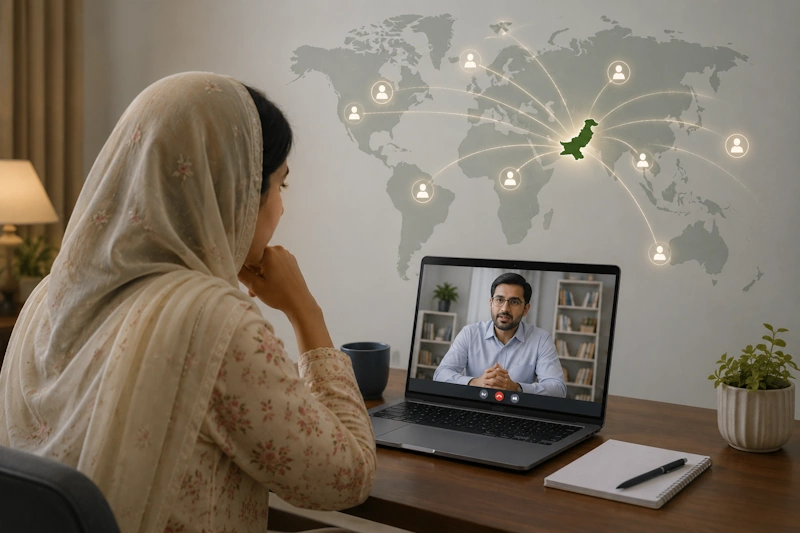
Finding suitable psychological support is not always easy when location, travel, a busy routine, or limited local options get in the way. Online therapy makes it possible to speak with a psychologist from a private and convenient setting, whether you live in Pakistan or abroad.

For Pakistanis living overseas, anxiety can sometimes be connected with experiences such as adjusting to a different culture, living away from family, relationship or family expectations, identity concerns, and balancing different ways of life. For some people, speaking with a psychologist who understands relevant Pakistani family and cultural contexts can make these experiences easier to discuss.

Online therapy can make support easier to access:

  • Attend sessions from wherever you live, without regular travel to a clinic
  • Fit appointments more easily around work, study, and family responsibilities
  • Discuss concerns with awareness of relevant cultural and family context
Pakistani woman attending an online therapy session with a psychologist

Ready to Take the First Step?

If anxiety is making everyday life harder, professional support can help you understand what you are experiencing and work toward healthier ways of managing it. Book an online appointment with a MindCare psychologist to get started.

Book an Appointment

FAQ & Answers

Common Questions About Anxiety Therapy

Answers to some common questions about starting online therapy for anxiety with MindCare.

Consider speaking with a psychologist if worry, fear, panic, or avoidance is persistent, difficult to manage, or interfering with your work, studies, relationships, sleep, or everyday activities. You do not need to wait until anxiety becomes severe before seeking support.

Therapy usually begins by exploring what you are experiencing, the situations or patterns connected to your anxiety, and how it is affecting your life. You and your psychologist can then identify goals and work on strategies suited to your needs, which may include changing unhelpful patterns, reducing avoidance, and developing practical coping skills.

Yes. Psychological therapy can be provided through online sessions, allowing you to speak with a psychologist without travelling to a clinic. This can be particularly useful for people with busy schedules, limited local options, or Pakistanis living abroad who want easier access to suitable support.

There is no single number of sessions that is right for everyone. The length of therapy depends on factors such as your concerns, how long they have been affecting you, your goals, the therapeutic approach, and how you respond over time. Your psychologist can discuss this with you as therapy progresses.

No. You can seek psychological support because anxiety, worry, fear, or panic is affecting your life even if you have never received a formal diagnosis. A psychologist can help you explore what you are experiencing and discuss appropriate next steps.