10 Tips to Improve Your Mental Health: An Evidence-Based Guide for Pakistani Families
Mental health is one of the greatest assets a person can have. It shapes how we think, feel, build relationships, work, and cope with life's challenges. Yet in Pakistan, mental health often receives far less attention than physical health, despite rising rates of stress, anxiety, depression, and burnout driven by economic pressures, academic demands, social expectations, and limited access to care. The research shows simple daily habits can strengthen emotional resilience and improve psychological wellbeing. The following evidence-based tips combine modern psychological science with values rooted in Pakistani culture and Islamic teachings.
1. Stay Physically Active
The human body was designed to move. However, many Pakistanis now spend long hours sitting in offices, classrooms, or in front of digital screens. A sedentary lifestyle is associated with increased risks of depression, anxiety, obesity, cardiovascular disease, and poor sleep.
Research shows that regular physical activity significantly reduces symptoms of depression and anxiety while improving mood, concentration, memory, and self-esteem. Exercise stimulates the release of endorphins and supports healthy brain function by increasing blood flow and promoting the growth of new neural connections. You do not need an expensive gym membership: brisk walking, cycling, sports, gardening, household chores, or stretching can all make a difference. Children should also be encouraged to play outdoors instead of spending excessive time on screens.
The Prophet Muhammad ﷺ said:
"Your body has a right over you." (Sahih al-Bukhari)
Caring for our physical health is both an evidence-based strategy for better mental wellbeing and an important Islamic responsibility.
2. Express Your Emotions in Healthy Ways
Many people in our society grow up believing they should suppress sadness, fear, or anxiety. Unfortunately, emotional suppression often increases psychological distress rather than reducing it.
Healthy emotional expression strengthens resilience and improves relationships.
Evidence-based ways to process emotions include:
- Talking with trusted family members or friends
- Keeping a journal
- Practising gratitude
- Listening to calming recitation or uplifting music
- Creative hobbies such as drawing or writing
- Seeking professional counselling when needed
Parents should also encourage children to express emotions rather than dismissing them with statements such as "Be strong" or "Don't cry."
Islam teaches emotional balance rather than emotional suppression. The Prophet ﷺ experienced grief, compassion, joy, and hope while maintaining patience (Sabr) and trust in Allah (Tawakkul). Expressing emotions appropriately is part of healthy human functioning.
3. Reconnect with Nature
Modern life has disconnected many people from the natural environment. Long working hours, traffic congestion, apartment living, and excessive screen time leave little opportunity to enjoy green spaces.
Research demonstrates that spending as little as 20–30 minutes in nature can reduce stress hormones, improve attention, lower blood pressure, and enhance mood. In Pakistan, reconnecting with nature does not require expensive travel.
Simple ideas include:
- Walking in a nearby park
- Visiting the Hills, Park, or local green spaces
- Gardening at home
- Watching the sunrise after Fajr
- Spending time outdoors with family
4. Protect Your Gut Health
Scientists increasingly recognise the gut-brain axis, the two-way communication system between the digestive tract and the brain. The gut microbiome influences immune function, inflammation, and neurotransmitters involved in mood regulation.
Healthy digestion can be supported by:
- Eating fibre-rich foods
- Drinking sufficient water
- Exercising regularly
- Managing stress
- Sleeping well
Persistent digestive symptoms should be evaluated by a qualified healthcare professional rather than ignored or self-treated.
Healthy digestion supports overall health, including psychological wellbeing.
5. Prioritise Sleep
Quality sleep is essential for emotional wellbeing. Poor sleep increases the risk of anxiety, depression, irritability, poor concentration, memory problems, and burnout. Most adults need 7–9 hours of sleep each night.
Improve sleep by:
- Maintaining regular sleep and wake times
- Limiting screen use before bedtime
- Avoiding heavy meals late at night
- Reducing evening caffeine
- Creating a quiet sleeping environment
The Prophet ﷺ encouraged balanced daily routines that included sufficient rest, reinforcing the importance of moderation in all aspects of life.
6. Reduce Digital Overload
Technology has transformed communication but has also increased stress, comparison, misinformation, and social isolation. Studies suggest excessive social media use is associated with poorer sleep, lower self-esteem, and increased symptoms of anxiety and depression, particularly among adolescents and young adults.
Practical strategies include:
- Avoid using your phone during meals.
- Keep bedrooms screen-free.
- Schedule regular digital breaks.
- Spend more time in face-to-face conversations.
- Replace some screen time with reading, exercise, or family activities.
Technology should serve our wellbeing—not control it.
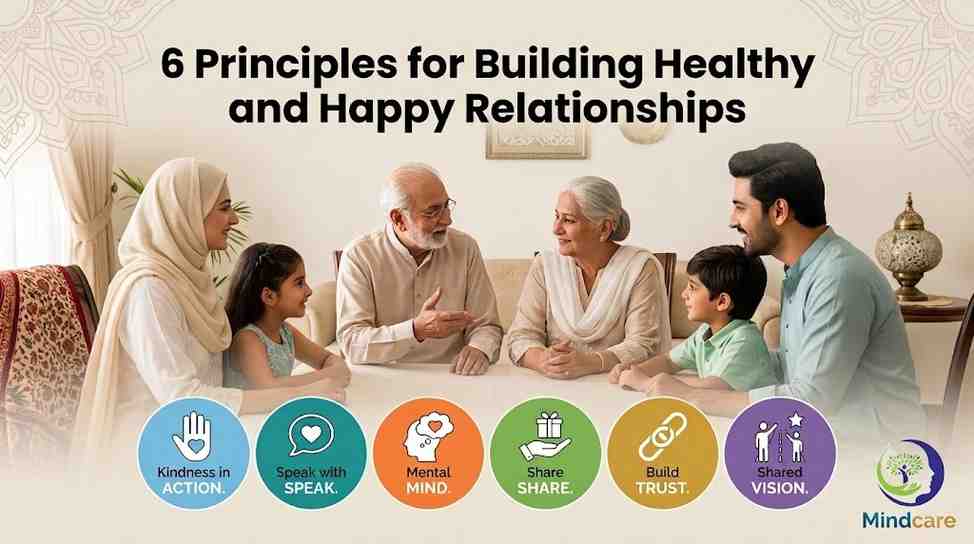
8. Build Strong Relationships
Strong relationships are essential for good mental health, helping protect against stress, anxiety, and depression. Although Pakistani culture values close family ties, many families today experience distance due to misunderstandings, pride, and unresolved conflicts. Sadly, some relatives stop visiting or supporting one another, even during illness, increasing loneliness and emotional distress.
Strengthen your relationships by spending quality time with loved ones, listening with empathy, visiting relatives, especially in times of illness, forgiving past conflicts, and supporting neighbours and friends.
The Prophet Muhammad ﷺ said:
"The best of people are those who are most beneficial to others." (Al-Mu'jam al-Awsat)
Maintaining family ties (Silat ar-Rahim) and caring for others not only strengthen communities but also promote better mental health and emotional wellbeing.
9. Strengthen Your Spiritual Wellbeing
For many Pakistanis, faith is an important source of resilience. A strong relationship with Allah is a powerful source of peace, hope, and resilience. Research shows that healthy spiritual practices can reduce stress, improve emotional wellbeing, and help people cope with life's challenges.
Islam nurtures mental wellbeing through Salah, Dhikr, Du'a, gratitude (Shukr), patience (Sabr), trust in Allah (Tawakkul), and serving others. It also encourages believers to purify their hearts from spiritual illnesses such as hatred (bughz), jealousy (hasad), pride (kibr), and resentment, as these can harm both spiritual and emotional health.
Allah says:
"Verily, in the remembrance of Allah do hearts find rest." (Qur'an 13:28)
10. Seek Help Early
Mental health problems are common, treatable, and deserve the same attention as physical illnesses. Unfortunately, stigma often prevents many Pakistanis from seeking professional help until symptoms become severe.
If persistent sadness, anxiety, panic attacks, sleep problems, or difficulty functioning affect your daily life, consult a qualified psychologist or psychiatrist. Seeking professional help is not a sign of weak faith—it is a responsible step toward healing.
Unfortunately, some people delay proper psychological treatment by relying on unverified or un-Islamic rituals, self-proclaimed spiritual healers, or supernatural practices that have no evidence of benefit. Such approaches can delay proper care, allowing mental health conditions to worsen and become more difficult to treat.
Islam encourages seeking treatment for illness while placing trust in Allah. The Prophet Muhammad ﷺ said:
"There is no disease that Allah has created, except that He also has created its treatment."
— Sahih al-Bukhari, Hadith 5678
Just as we seek medical care for physical illnesses, seeking professional psychological care for mental health conditions is fully compatible with Islamic teachings. Faith and evidence-based treatment work together to support holistic wellbeing.
References:
- World Health Organization (WHO). Mental Health: Strengthening Our Response.
- World Health Organization. Guidelines on Physical Activity and Sedentary Behaviour.
- UNICEF Pakistan. The State of Children in Pakistan.
- The Lancet Psychiatry. Research on physical activity and depression.
- Nature Reviews Neuroscience. Research on the gut–brain axis.
- American Psychological Association (APA). Evidence on sleep, stress, and resilience.
- Qur'an 3:190, 13:28, 16:69.
- Sahih al-Bukhari (Hadith No.: 1968)