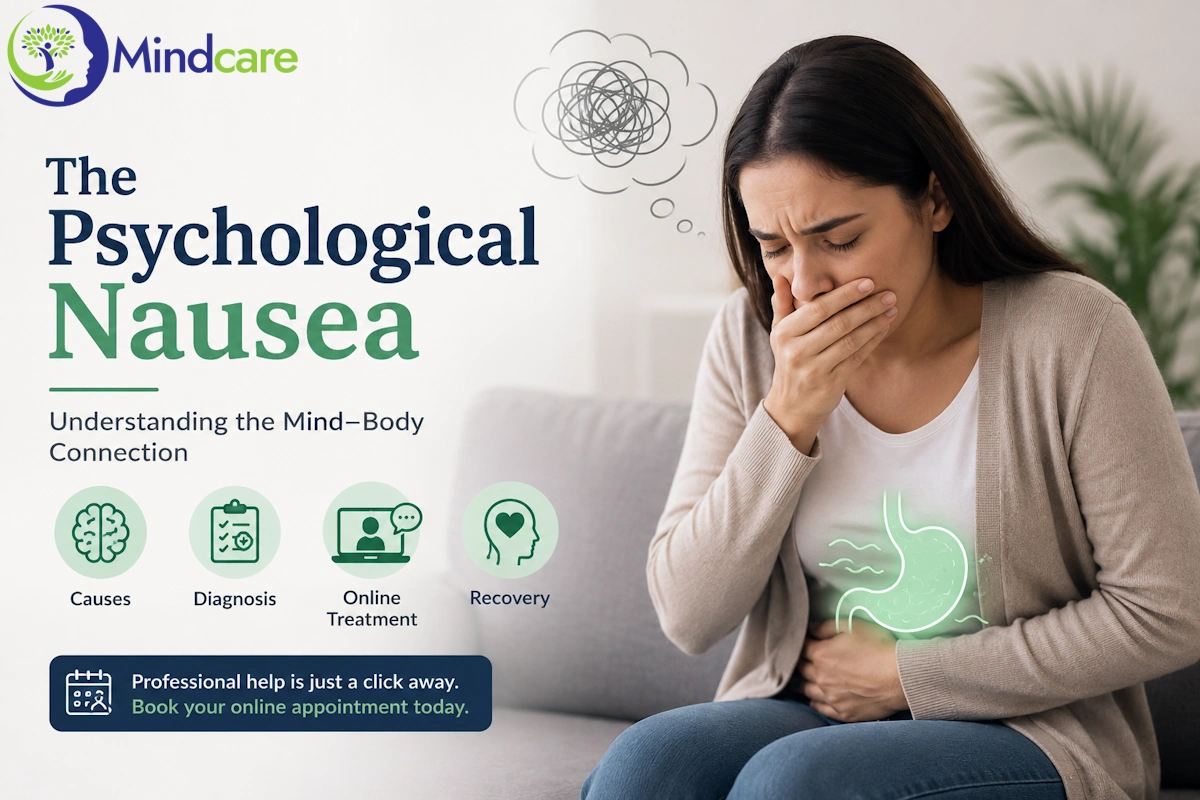
Nausea is commonly associated with digestive illnesses, food poisoning, pregnancy, or infections. However, not all nausea originates from the stomach. Many people experience persistent feelings of queasiness despite normal medical test results. In such situations, emotional and psychological factors may be playing a significant role. This condition is often referred to as psychological nausea.
Psychological nausea is real and can be distressing. It highlights the close relationship between the brain and the digestive system. Understanding its causes and seeking timely support can help individuals regain control of their well-being and improve their quality of life.
What Is Psychological Nausea?
Psychological nausea refers to nausea that is triggered, worsened, or maintained by emotional distress rather than an identifiable physical illness. The sensation is genuine and not "imagined." The brain and the digestive system constantly communicate through the gut-brain axis, meaning stress and emotional experiences can directly affect gastrointestinal functioning.
Common Causes of Psychological Nausea
- Anxiety Disorders: Generalized anxiety, panic disorder, social anxiety, and health anxiety can activate the body's fight-or-flight response, resulting in nausea and stomach discomfort.
- Chronic Stress: Ongoing work pressures, family conflicts, financial concerns, or academic stress can disrupt normal digestion and contribute to persistent nausea.
- Depression: Depression often presents with physical symptoms such as fatigue, appetite changes, headaches, and gastrointestinal complaints, including nausea.
- Trauma and PTSD: Past traumatic experiences may trigger physical responses, including nausea, when an individual encounters reminders of the trauma.
- Anticipatory Anxiety: Situations such as examinations, interviews, public speaking, travel, or medical procedures can provoke nausea due to heightened nervousness.
- Somatic Symptom Disorders: Emotional distress may manifest primarily through physical symptoms that significantly affect daily functioning.
How Is Psychological Nausea Diagnosed?
Because nausea can have many physical causes, a medical assessment is usually the first step. Healthcare providers may conduct examinations or investigations to rule out conditions such as:
- Gastrointestinal infections
- Acid reflux disease
- Peptic ulcers
- Gallbladder disorders
- Food intolerances
- Pregnancy
- Medication side effects
- Neurological conditions
If medical investigations do not reveal a significant physical cause, a psychologist may explore emotional and psychological contributors, including stress levels, anxiety symptoms, trauma history, mood changes, and the relationship between stressful events and nausea episodes.
Can Psychological Nausea Be Treated Online?
Yes. In many cases, psychological nausea can be effectively treated through online therapy.
Since psychological nausea is often associated with anxiety, chronic stress, panic, depression, or unresolved emotional difficulties, addressing these underlying issues can significantly reduce or eliminate symptoms. Research suggests that teletherapy can be just as effective as in-person treatment for many common mental health concerns.
At MindCare Pakistan, our licensed psychologists provide secure and confidential online therapy sessions to help individuals understand and manage the emotional factors contributing to their symptoms. Whether you live in a major city or a remote area, professional psychological support is available from the comfort of your home.
How Online Therapy Can Help
Treatment plans are tailored to each individual's needs and may include:
- Cognitive Behavioral Therapy (CBT): To identify and change unhelpful thought patterns linked to anxiety and nausea.
- Anxiety Management: Techniques to reduce the body's stress response and physical symptoms.
- Relaxation Training: Deep breathing, mindfulness, and grounding exercises to calm the nervous system.
- Stress Management: Practical coping strategies for work, studies, relationships, and daily responsibilities.
- Trauma-Informed Therapy: Support for individuals whose symptoms may be related to unresolved traumatic experiences.
- Psychoeducation: Understanding how the mind and body interact can reduce fear surrounding physical symptoms.
When Should You Seek Professional Help?
Consider consulting a healthcare professional if:
- Nausea persists for several weeks.
- Your symptoms interfere with work, studies, or relationships.
- You experience significant weight loss.
- Vomiting becomes frequent.
- You notice symptoms of anxiety or depression.
- Self-help strategies are not providing relief.
Professional Support Is Available
If persistent nausea is affecting your quality of life and medical causes have been ruled out, psychological treatment may help you find lasting relief.
MindCare Pakistan offers confidential online therapy with licensed psychologists experienced in treating anxiety, stress-related conditions, and psychosomatic symptoms.
Learn more about our
Anxiety Treatment Services
or
book an appointment online
to begin your journey toward recovery.
Conclusion
Psychological nausea reminds us that mental and physical health are deeply interconnected. The symptoms are real, valid, and deserving of compassionate care. By identifying the underlying emotional factors and seeking evidence-based treatment, individuals can experience significant improvement and regain confidence in their daily lives.
For additional information about the relationship between anxiety and physical symptoms, visit the
American Psychological Association
.