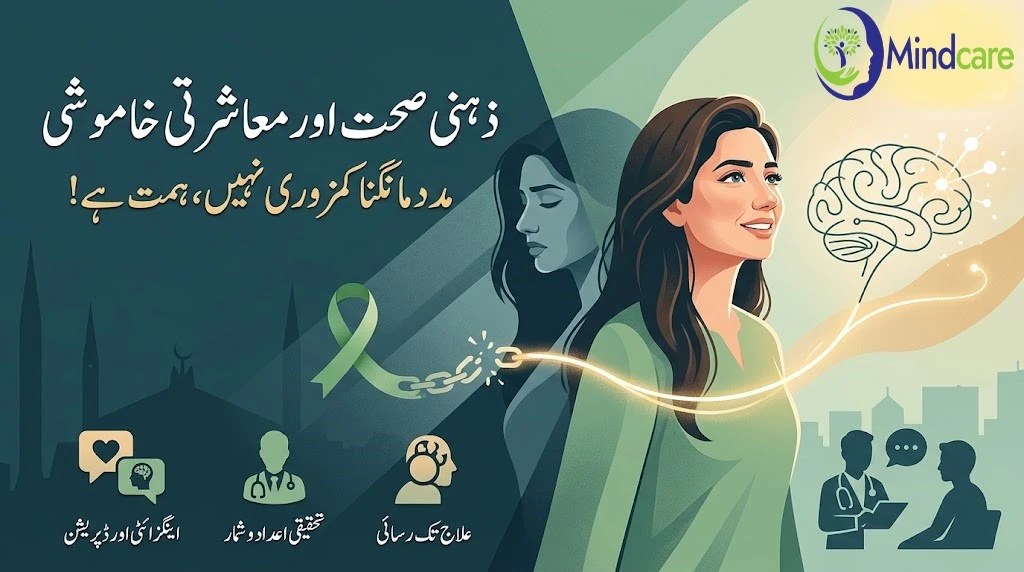
32 Million Voices: Understanding Pakistan’s Mental Health Crisis
Why prevention, early identification and accessible psychological support matter
Mental Health: A Challenge We Cannot Ignore
Mental health is becoming an increasingly important public health concern in Pakistan. In October 2026, figures presented in the National Assembly indicated that approximately 32.04 million people in Pakistan were living with mental health disorders.
The World Health Organization (WHO) has separately estimated that around 32.4 million people need mental healthcare in the country.
Research published in BMJ Public Health in September 2026, involving 17,773 adults across Pakistan, reported that:
32.3% were experiencing a mental or behavioural disorder.
37.9% had experienced such a disorder during their lifetime.
19.9% were identified with Post-Traumatic Stress Disorder (PTSD).
Approximately 6% reported suicidal thoughts during the preceding month.
Behind these numbers are real people: children struggling with emotional difficulties, students experiencing anxiety, parents facing stress and individuals living with depression or trauma.
Unfortunately, stigma, financial difficulties, limited awareness and a shortage of accessible professional services prevent many people from seeking help.
Pakistan’s National Mental Health Policy 2026–2035
On October 1, 2026, Pakistan launched its National Mental Health Policy 2026–2035 during the Pakistan Global Mental Health Summit in Islamabad.
The policy highlights several important priorities:
Prevention and promotion of mental health.
Early identification and intervention.
Integration of mental healthcare into primary healthcare.
Expansion of community-based services.
Training and strengthening of mental health professionals.
Better access to services for children, adolescents and vulnerable populations.
This is an important step towards making mental healthcare more accessible across the country.
However, effective implementation and collaboration between healthcare professionals, educational institutions, government departments and communities will be essential.
Three Important Steps Towards Better Mental Health
1. Prevention: Building Healthier Communities
Mental health support should begin before psychological difficulties become severe. Psychologists should be available in schools to help children understand emotions, manage stress and develop healthy relationships. Training for parents by mental health professionals can promote positive communication and supportive parenting.
Workplaces should also have access to psychological support to address excessive stress, bullying and harassment. These initiatives can help address psychological difficulties at an early stage and reduce the risk of more serious problems.
Furthermore, public awareness is equally important. Psychological disorders are health conditions, not personal weaknesses. Healthy lifestyle practices, including regular physical activity, adequate sleep, balanced nutrition and meaningful social connections, can also support emotional well-being. Together, these initiatives can promote mental health and help prevent psychological difficulties.
2. Early Identification: Recognising Warning Signs
Early identification can help people receive appropriate support before their difficulties become more severe.
Some signs that may require attention include:
Persistent sadness or excessive worrying.
Social withdrawal and loss of interest.
Changes in sleep or behaviour.
Irritability and emotional difficulties.
Declining academic or work performance.
Family physicians, teachers, counsellors and community health workers can help recognise these concerns and guide individuals towards qualified mental health professionals. Early identification should always be followed by appropriate assessment, professional guidance and referral when needed.
3. Community-Based Care: Bringing Support Closer to People
In Pakistan, mental healthcare is largely concentrated in hospitals and specialist clinics, limiting access for a significant portion of the population.
Pakistan can improve access through trained community health workers, school-based support, peer support groups and awareness programmes in community centres and mosques.
Mental health services could also be established at the Basic Health Unit (BHU) level in every Union Council, alongside existing primary healthcare programmes. Psychologists working at BHUs could collaborate with schools, teachers, community health workers and local communities to identify mental health concerns at an early stage. They could provide initial support or refer individuals to specialised services when required.
Online psychological services can also help people living in remote areas or those who face difficulties visiting traditional clinics. Community-based support does not replace specialist treatment; rather, it helps connect people with the appropriate level of care.
A Healthier Pakistan Begins with Accessible Mental Healthcare
Pakistan’s mental health challenges are significant, but progress is possible.
We need stronger prevention programmes, early identification, qualified professionals and accessible community-based psychological services. Most importantly, we must replace stigma with understanding and encourage people to seek professional help without fear or shame.
Mental health is not a luxury. It is an essential part of public health and human well-being.
A mentally healthier Pakistan begins when support becomes accessible and no individual has to struggle alone.
How Mindcare.pk Is Contributing
Improving mental health in Pakistan requires collective efforts. Digital platforms can also play a valuable role in connecting people with professional psychological support. Mindcare.pk aims to make qualified psychological services more accessible through online consultations.
Individuals can seek support for mental health concerns. Through online consultations, individuals can connect with qualified mental health professionals from the comfort of their homes.
References and Further Reading
Rahman, R. U., Sheehan, D. V., Javed, A., et al. (2026). Prevalence and sociodemographic correlates of mental and behavioural disorders in Pakistan. BMJ Public Health. https://doi.org/10.1136/bmjph-2026-005182
World Health Organization. (2022). World Mental Health Report: Transforming Mental Health for All. https://www.who.int/publications/i/item/9789240049338
- Government of Pakistan, Press Information Department. (October 1, 2026). Pakistan Global Mental Health Summit: National Policy Launched to Reach 32.4 Million People Needing Mental Health Care. https://pid.gov.pk/site/press_detail/34131


.jpg)